


Reclaiming Restful Nights: Understanding Poor Sleep Hygiene and Its Impact on Mental Health
Updated: Jul 24
Sleep is one of the most important parts of our daily routine. Yet, many of us struggle to get enough restful sleep. Poor sleep hygiene, which refers to habits and environmental factors that disrupt good sleep, can seriously impact mental health. I’ve seen how even small changes in sleep habits can make a big difference in how you feel emotionally and mentally.
In this post, I want to share what poor sleep hygiene really means, how it affects your mental health, and some practical ways to improve your sleep. I’ll also mention a couple of helpful products that can support better sleep naturally, without sounding like a sales pitch.
What Is Poor Sleep Hygiene?
Sleep hygiene refers to the habits and conditions that help you achieve good quality sleep. Poor sleep hygiene means the opposite — habits or environments that make it harder to fall asleep, stay asleep, or get deep, restorative sleep.
Some common examples of poor sleep hygiene include:
Using electronic devices like phones or tablets right before bed
Drinking caffeine or alcohol late in the day
Having an irregular sleep schedule
Sleeping in a noisy, bright, or uncomfortable room
Eating heavy meals close to bedtime
Not winding down properly before sleep
These habits might seem small or harmless, but they can add up and disrupt your natural sleep cycle.
How Poor Sleep Hygiene Impacts Mental Health
When your sleep is poor, your brain and body don’t get the rest they need. This can lead to a range of mental health issues. Here’s how poor sleep hygiene can affect you:
Increased Anxiety and Stress
Lack of good sleep makes it harder to manage stress. Your brain becomes more reactive to negative emotions, which can increase feelings of anxiety. You might find yourself worrying more or feeling overwhelmed by small problems.
Mood Swings and Irritability
Without enough restful sleep, your mood can become unstable. You might feel more irritable, impatient, or emotionally sensitive. This can affect your relationships and daily interactions.
Difficulty Concentrating and Memory Problems
Sleep is essential for memory and focus. Poor sleep hygiene can lead to brain fog, making it harder to concentrate or remember things. This can impact work, study, or even simple daily tasks.
Higher Risk of Depression
Research shows a strong link between poor sleep and depression. When sleep is disrupted regularly, it can contribute to feelings of sadness, hopelessness, and low motivation.
Lower Resilience to Challenges
Good sleep helps you bounce back from setbacks. Without it, you may feel less able to cope with challenges or setbacks in life.

Practical Ways to Improve Your Sleep Hygiene
Improving your sleep hygiene doesn’t have to be complicated. Here are some simple steps you can take to create better sleep habits:
Set a Consistent Sleep Schedule
Try to go to bed and wake up at the same time every day, even on weekends. This helps regulate your body’s internal clock.
Create a Relaxing Bedtime Routine
Spend 30 to 60 minutes before bed doing calming activities like reading, gentle stretching, or listening to soft music. Avoid screens during this time.
Make Your Bedroom Sleep-Friendly
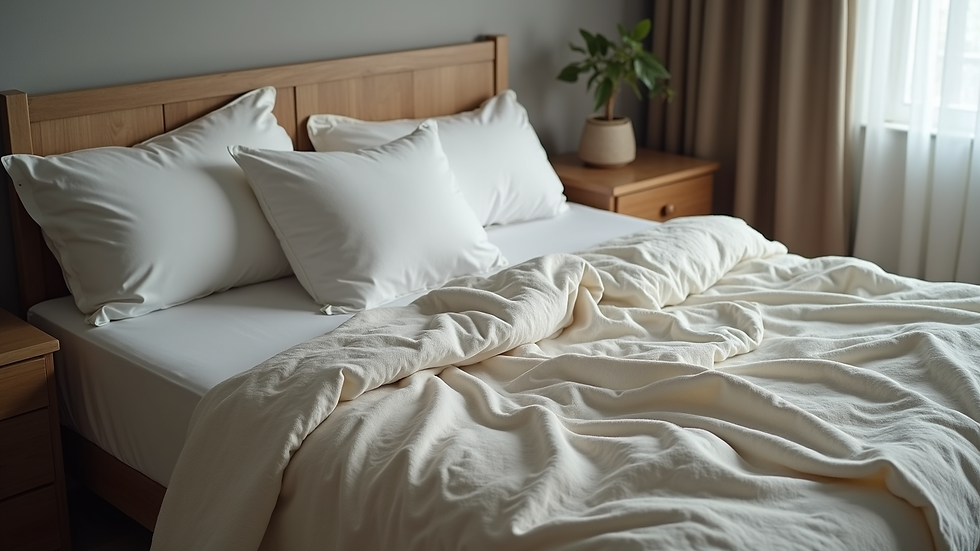
Keep your bedroom cool, dark, and quiet. Use blackout curtains or an eye mask if needed. A comfortable mattress and pillows also make a big difference.
Limit Caffeine and Alcohol
Avoid caffeine after mid-afternoon and limit alcohol, especially close to bedtime. Both can interfere with your ability to fall and stay asleep.
Avoid Heavy Meals Before Bed
Try not to eat large or spicy meals within two hours of going to sleep. This can prevent discomfort and indigestion.
Manage Stress During the Day
Practising mindfulness, journaling, or talking to someone can help reduce stress that might keep you awake at night.
Helpful Products That Support Better Sleep
Sometimes, small tools can support your efforts to improve sleep hygiene. I want to mention two products that I’ve found useful for many people struggling with sleep and mental health.
1. Sleep Sound Machine
A sleep sound machine can create a calming background noise that blocks out distractions. This helps your brain relax and makes it easier to fall asleep. For example, the SleepWell Sound Machine offers a variety of soothing sounds like rain, ocean waves, and white noise. It’s simple to use and can be a great addition to your bedtime routine.
2. Weighted Blanket
Weighted blankets provide gentle pressure that can reduce anxiety and promote relaxation. This pressure mimics a comforting hug, which helps calm the nervous system. The CalmNest Weighted Blanket is designed with breathable fabric and comes in different weights to suit your preference. Many people find it easier to fall asleep and stay asleep with a weighted blanket.
Both of these products support better sleep naturally and can be part of a holistic approach to improving your sleep hygiene.
When to Seek Professional Help
If you’ve tried improving your sleep hygiene but still struggle with sleep or mental health issues, it might be time to get professional support. Sometimes, underlying conditions like anxiety, depression, or sleep disorders need targeted treatment.
Clinical hypnotherapy can be a gentle and effective way to address sleep problems and related mental health challenges. For example, L J Pennington offers solution-focused clinical hypnotherapy that helps people overcome anxiety, phobias, and low self-worth. This approach can support you in building better sleep habits and improving your overall well-being.
The Importance of Sleep for Mental Health
Sleep is a foundation for good mental health. Poor sleep hygiene can quietly chip away at your emotional balance, making anxiety, mood swings, and low energy worse. But by making small changes to your habits and environment, you can reclaim restful nights and brighter days.
If you’re ready to take the next step, consider trying simple tools like a sleep sound machine or weighted blanket. And remember, professional support is always available if you need it.
Your mental health deserves the best rest you can give it.
Disclaimer: This post is for informational purposes only and does not replace professional medical advice. If you have ongoing sleep or mental health concerns, please consult a healthcare professional.
Comments